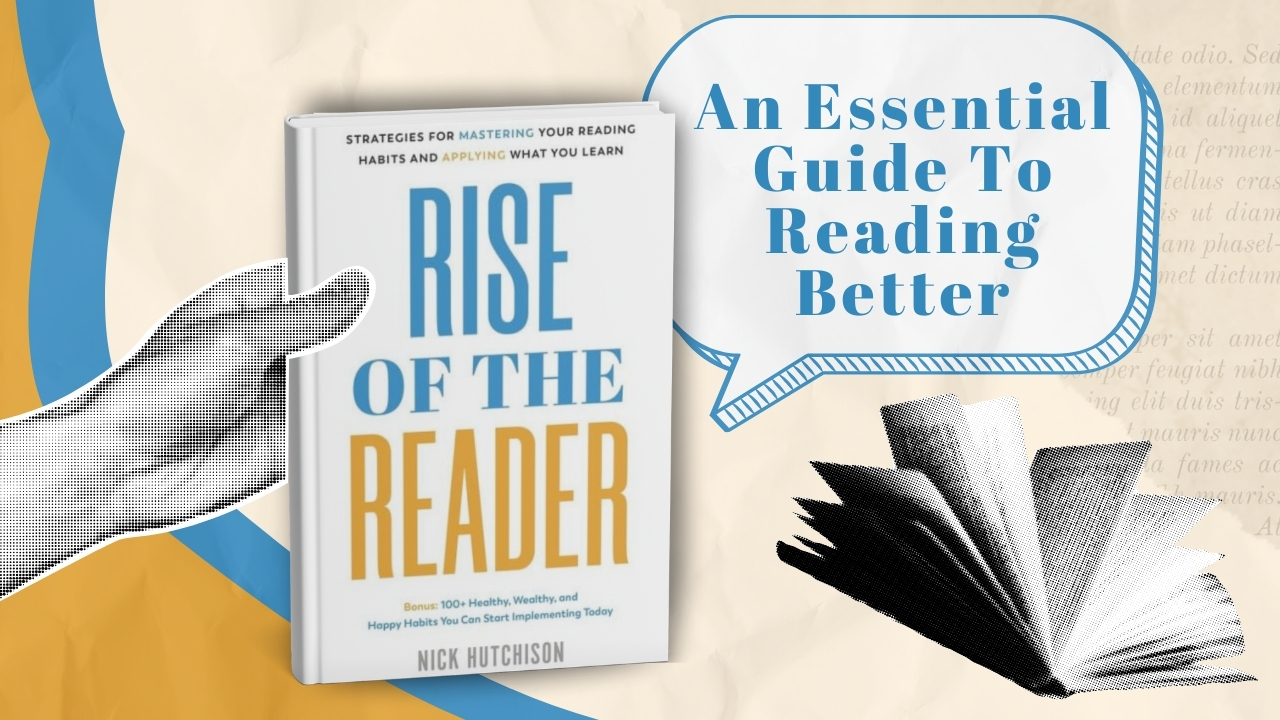
For years, digital publishing often chased the same formula: more widgets, more headlines, more motion, and more attempts to keep users clicking. But a different model is becoming more common. Reader-first publications are choosing clarity over clutter.
What “reader-first” really means
A reader-first publication is designed around how people actually consume stories. That means faster pages, stronger typography, better spacing, simpler navigation, and fewer visual interruptions. Instead of overwhelming visitors, the site helps them focus.
Why this shift is happening
Audiences are more selective than before. They quickly judge a website by how easy it feels to read, how trustworthy it looks, and whether the article seems worth their time. A clean experience can signal confidence and editorial discipline.
- Less distraction helps increase reading completion
- Better hierarchy makes stories easier to scan
- Simple layouts feel more premium and credible
- Mobile users benefit the most from reduced clutter
Design becomes part of the story
When design is quiet, the content has more room to speak. Headlines feel stronger, images feel more intentional, and readers are less likely to bounce before the article begins. This does not mean every site must look identical. It means every choice should support the reading experience.
Where this trend is heading
The next wave of editorial websites will likely be calmer, more modular, and more respectful of attention. The winners may not be the loudest platforms. They may be the ones that feel the easiest to trust.